




What's the Best Size for an RV?
RV shoppers in Dana Point face a seemingly endless choice of sizes when they start looking at rigs. Should you go compact and nimble, or roomy and luxurious? The answer depends on your travel style, your family size, and what kind of adventures you're chasing.
The best size for an RV isn't one-size-fits-all. Your neighbors in Dana Point might love their 40-footer while you're perfectly happy in a 24-foot Class C. What matters is matching your rig to how you really live, not how you think you should.
Why Size Matters for Coastal RV Travel
Most people assume bigger is better. More living space, more storage, more comfort. But an oversized RV becomes a burden when you're navigating narrow campground roads or trying to park in some of Dana Point's tighter RV-friendly spots. An undersized one leaves you cramped and miserable on longer trips.
Size also affects your driving experience. A large motorhome requires a different skill set and confidence than a compact travel trailer. Fuel costs climb with a bigger rig, and towing capacity becomes a serious consideration if you're pulling a trailer.
The campgrounds you want to visit set hard constraints, too. Many of Dana Point's favorite coastal spots have length restrictions. Some don't. Knowing your rig's dimensions before you commit is non-negotiable.
Understanding RV Classes and Types
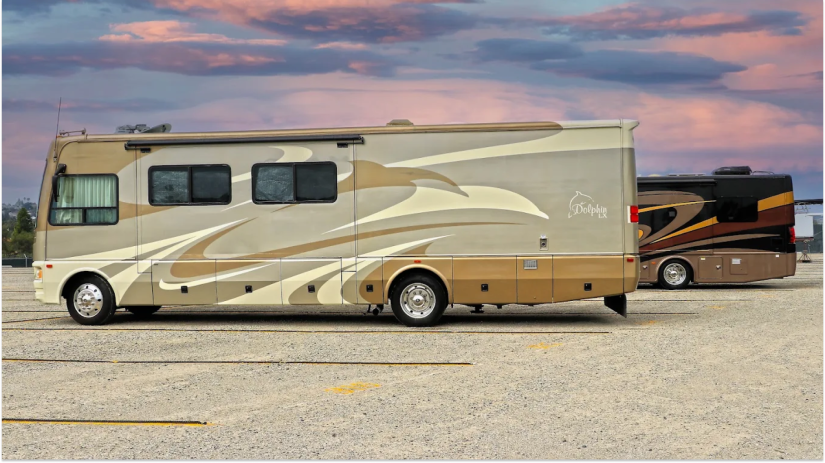
RV classes break down into clear categories. Class A motorhomes are the luxury road yachts, typically 30 to 45 feet long. They're self-contained and comfortable, but they're heavy on fuel and awkward to maneuver.
Class B and Class C motorhomes fall in the middle. Class B vans are compact, easy to drive, and perfect for couples or solo travelers. Class C models offer more living space than Class B but less than Class A. Both give you a good balance between comfort and drivability.
Travel trailers and fifth wheels tow behind a vehicle. They free you from driving a massive motorhome but require adequate towing capacity in your car or truck. Families in Dana Point often prefer trailers because they can unhitch and explore without moving the whole rig.
Teardrop and small travel trailers are the minimalists' choice. They're lightweight, affordable, and simple. You sacrifice some comfort but gain freedom and flexibility.
Key Factors to Consider
Your family size is the obvious starting point. Two people can thrive in 24 feet. A family of five needs closer to 35 feet minimum. But don't just count heads. Think about whether everyone needs private sleeping areas or if some folks are comfortable sharing.
Travel style shapes your choice too. Full-time RVers often go larger because they need full living amenities. Seasonal travelers who park for weeks at a time can go smaller since they're close to shore power and water hookups. Boondockers who camp off-grid benefit from larger water and waste tanks.
Where you travel matters as much as how long you stay. Coastal states like California have tighter campgrounds. Mountain camping might require a more maneuverable rig. RV travel in Dana Point and the surrounding region means you'll encounter everything from beachside hookup parks to remote county lands.
Towing capacity shouldn't be overlooked. Many people buy trailers assuming their vehicles can handle them. Check your vehicle's true towing capacity, not the theoretical maximum. Then be conservative. Towing at your vehicle's limit is uncomfortable and unsafe.
Budget constraints are real. Bigger rigs cost more upfront and cost more to operate. Smaller, used RVs often offer better value and lower risk if you're new to the lifestyle.
Finding the Goldilocks Size
For most people, somewhere between 24 and 32 feet strikes the right balance. You've got enough living space for comfort without the driving complexity of something massive. That range gives you access to most campgrounds while keeping fuel costs reasonable.
Couples often find 20 to 28 feet ideal. Solo travelers sometimes go even smaller. Families with kids typically want 30 feet or more. But these are guidelines, not rules.
Your lifestyle five years from now matters too. If you're planning to retire and travel full-time, you might want something larger. If you're testing the waters for a season or two, something modest makes sense.
How to Lock in Your Size
Rent before you buy. Spend a weekend or a week in a rental RV close to the size you're considering. You'll learn whether you prefer the driving ease of a smaller rig or the comfort of a larger one. Real experience beats speculation every time.
Visit dealers and walk through models. Sit in the driver's seat. Check the headroom. Open the cabinets. Move around the kitchen. Comfort matters more when it's your home for weeks at a time.
Talk to other RV owners in Dana Point and beyond. Ask them what they wish they'd known before buying. Ask whether they'd go bigger or smaller if they had it to do over. Their honest feedback is gold.
Prepare Your Rig for Its Next Chapter
Once you've found your perfect size, you're ready to explore the open road. If you're splitting your time between home and adventure, you'll need a safe place to store your rig when you're not traveling. Dana Point RV & Boat Storage at 33850 Stonehill Drive offers secure, protected storage for your vehicle between trips.
Ready to Hit the Road
The best size RV is the one that matches your reality, not your fantasy. Choose based on how you really travel, not how you think you should. Your future self will thank you for being honest about your needs.
Take your time deciding. Rent different models, visit campgrounds you want to explore, and talk to experienced RVers. Once you've found your perfect size, you'll be ready to discover why so many people in Dana Point and beyond have fallen in love with the RV lifestyle.